
What Does a 10,000-Mile Oil Change Look Like?
Real samples from engines running 10,000, 20,000, and 30,000+ miles on the oil
What does a 10,000-mile oil change look like? There’s a lot of misinformation online, but we’re here to tell you 10,000 miles is not out of the question at all. And you don’t even need fancy oil to do it.
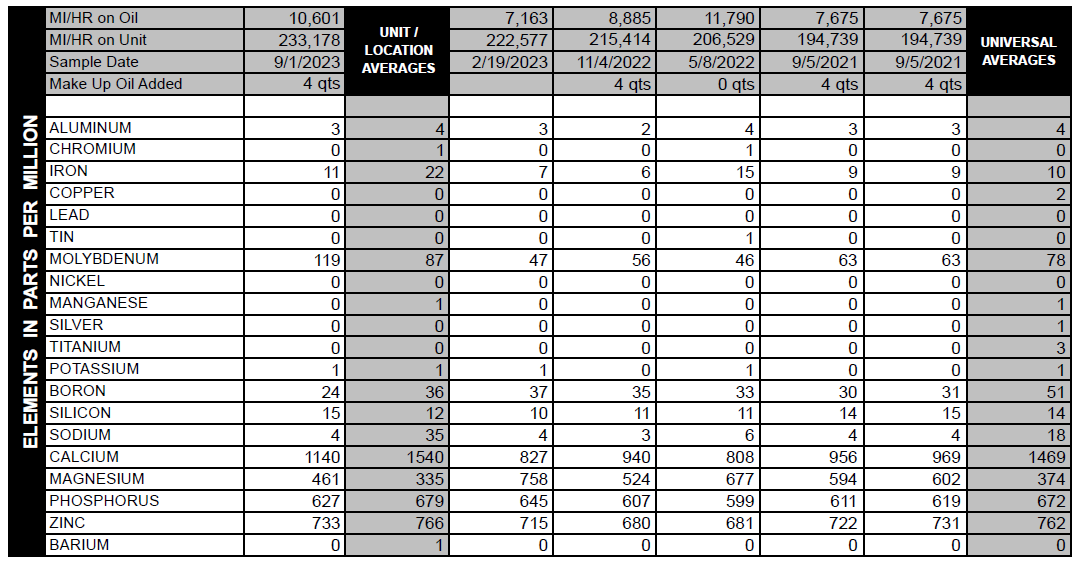
Below is a 2.4L Kia Optima running oil changes between 7,163 miles and 11,790 miles. Note that the metals in the longer oil changes aren’t much different than in shorter ones.
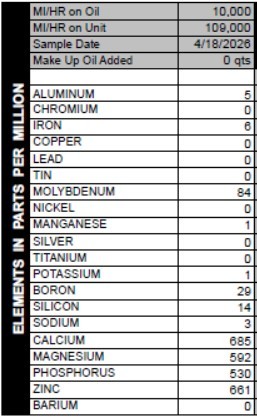
Let’s see how other makes and models do with longer oil change intervals. First, a sample from a 2018 Toyota Corolla having no problems with 10,000 miles on the oil.
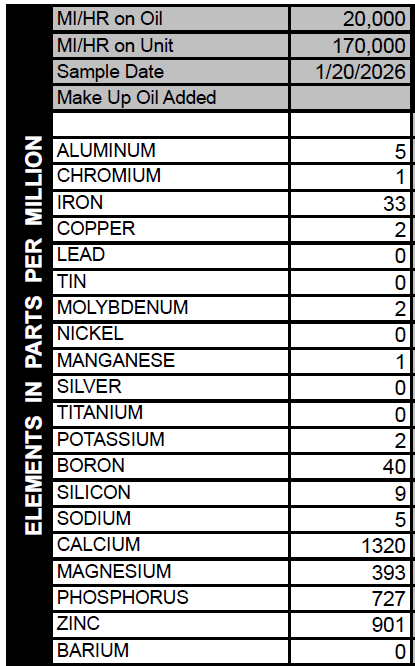
Or how about something domestic? Here’s an F350 with 20,000 miles on the oil. You will get a little more metal (especially iron) the longer you run the oil, just because metals have longer to accumulate.
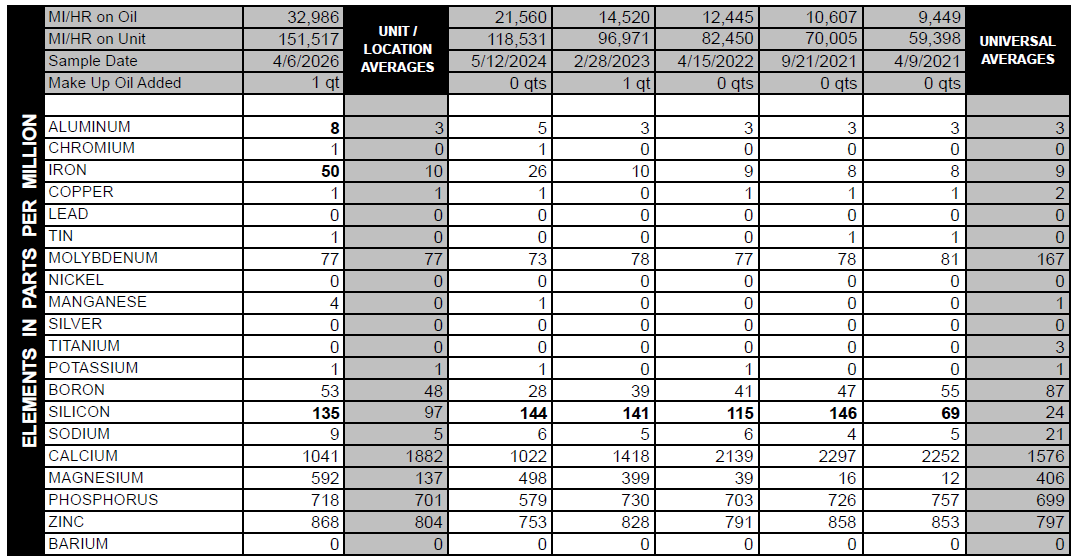
So maybe you’re sitting there thinking, 10,000, 20,000…but what about 30,000 miles? Behold: a Subaru Crosstrek that’s currently at 32,986 miles on the oil. Aluminum and iron are both higher than they were previously, but this is just accumulation. We can tell from the wear rates — how much metal the engine is producing per 1000 miles (see the next image, the wear rate view). Silicon is from a silicone product, not dirt.
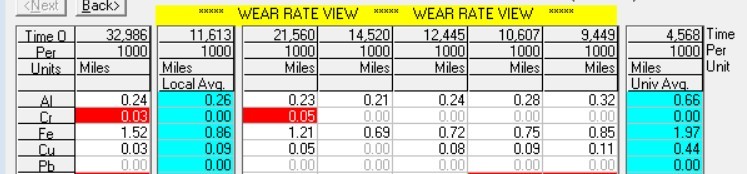
The wear-rate view is a way to compare different oil change intervals. In the case of the Crosstrek, we can see that aluminum parts are wearing at about the same rate as they were before, so the 8-ppm reading in the report is just from the longer oil change. Iron’s wear rate is a little higher than in past samples at 1.52 ppm/1,000 miles, but note that the average rate is 1.97 ppm/1,000 miles, so the Crosstrek’s steel parts are still wearing better than most.
Of course not every engine does well with long oil changes. Engines that can run the longest are those that wear well in the first place. Things like the amount and type of driving you do, how much weight you’re hauling around, contaminants, and time spent idling also impact how long you can run the oil. Here’s a Honda Pilot that might be pushing it with 50,000 miles on the oil.
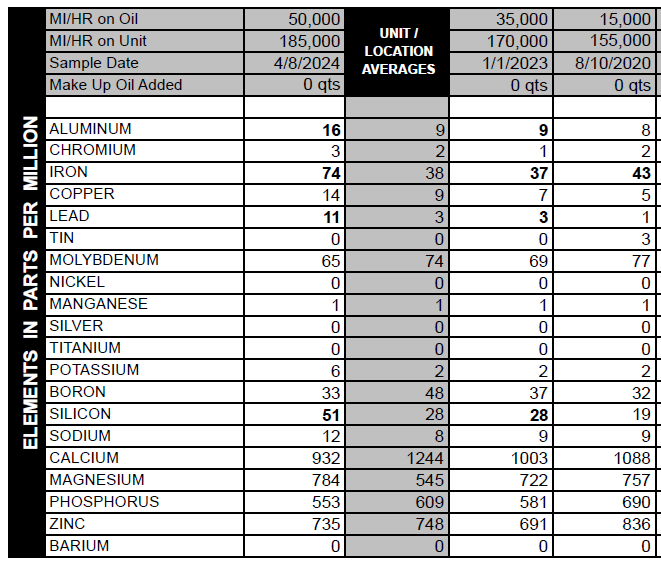
Hondas are typically nicely wearing engines. But the longer you run, the more metal accumulates in the oil. Eventually the oil itself can become abrasive, which only causes more wear. The solution is simple: just drop to a shorter oil change. No lasting harm done.
The only way to know for sure how long your engine can run the oil is to do a test and see. If you tell us you’re interested in “extended oil use,” we’ll keep suggesting longer intervals till we find the sweet spot. Maybe you’ll find that your ideal oil change is somewhere on the other side of 10,000 miles!

Related articles

Do I Need to Use Ashless Aircraft Oil?
Ashless dispersant oil really does matter!
Is Fuel in Aircraft Oil a Problem?
Not usually, but you should understand why it's there

What are Insolubles & Why do They Matter?
Insolubles are solids and they tell you a lot!


How Often Should I Change My Oil?
There's not one answer - the best oil change interval depends on many factors